The stack I actually use, why each tool is in it, and what had to change before the whole thing made sense
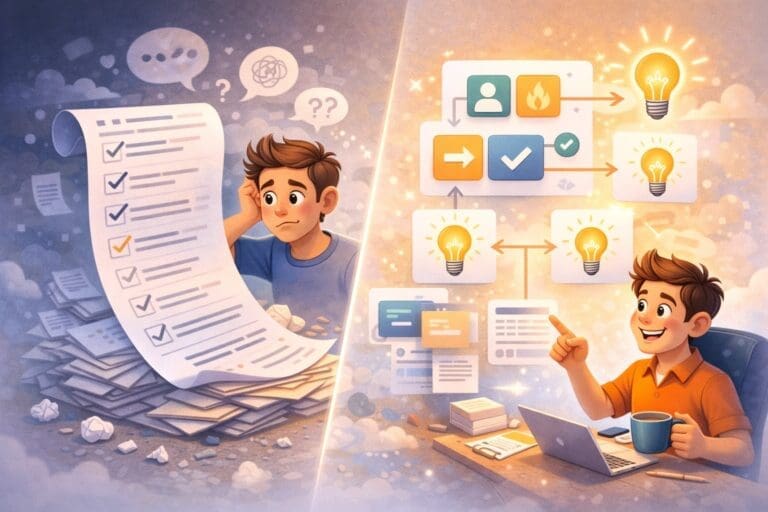
Most people pick AI tools based on what they can do. I used to do the same. Read the feature list, watch the demo, add it to the stack.
The problem isn’t capability. Almost every tool is capable enough. The problem is role clarity. When tools overlap – when two things in your stack could both handle the same job – every session starts with a small negotiation before the actual work begins.
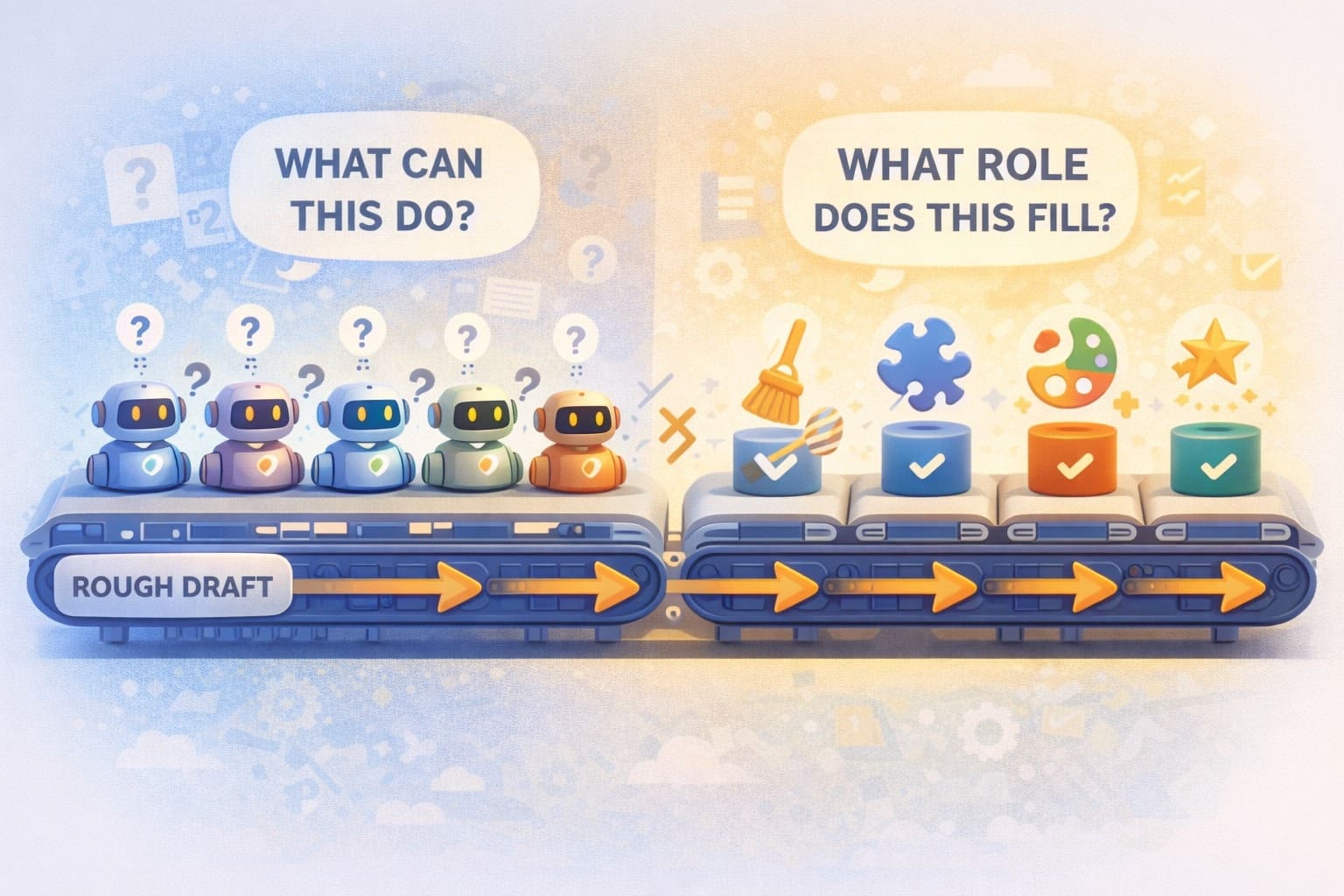
I got tired of that negotiation. So I stopped evaluating tools by features and started evaluating them by role. What specific job does this tool do that nothing else in my stack does?
That question cut my stack from eight tools to four. And the work got better.
The four tools
Claude Projects handles writing and editing. Not just as a chat interface, but as a structured system – layered prompts that carry project context, voice guidelines, and content templates across every session. The setup means I’m never starting from scratch. The project knows which publication I’m writing for, what tone it uses, how it opens, how it closes, what to avoid. That context lives in the system, not in my head.
This is where most of the editorial work happens: structure, argument, voice, flow.
ChatGPT or Gemini handles image generation when I need something custom – a visual that doesn’t exist anywhere, or something too specific to find in a stock library.
Unsplash is the base for photography. Free, high quality, fast. When the piece needs a real image rather than a generated one, this is where I go.
The writing itself – the first draft, the actual thinking – is still mine. That’s not a tool. That’s the input everything else works on.
Why these tools, in these roles
The honest answer is that I chose Claude for writing because it’s the best at writing naturally – by a significant margin compared to everything else I’ve tested. That’s not a feature. That’s a quality difference you feel in the output. ChatGPT is capable. Claude sounds like a human thought it through.
But the capability alone isn’t what makes it the center of the stack. Claude Projects adds a layer on top that changes how the whole thing works. You can load a project with permanent context – documents, guidelines, instructions – and build a prompt template system that acts as an engine.
Different publications, different voices, different languages, all handled by predefined configurations within the same project. The system knows which publication I’m writing for, what tone it uses, how it opens, how it closes, what to avoid. That context lives in the setup, not in my head, and not in a prompt I have to paste every time.
The layered prompt structure is what makes this work.
There are project-level instructions that define the publication, the audience, the principles.
There are content-level templates that define the format – how a medium article is structured, how a social post is phrased.
There are voice guidelines that define rhythm, tone, what to avoid. Each layer does one job. Together they replace a lot of decisions that would otherwise happen every time I open a document.
ChatGPT sits in the stack for a completely different reason: image generation. Not because it’s the only option, but because it’s already in my workflow for other things, and I didn’t want another login for a narrow use case. The role is specific. The tool fills it.
Unsplash is the same logic. Fast, free, good enough for most editorial images. No subscription, no friction. It fills the “real photography” role without asking anything of me.
What system design actually means here
The distinction I keep coming back to is this: a tool collection and a tool system look similar from the outside, but they behave very differently under pressure.
A collection is a set of capable things. When you need something done, you pick the most relevant one. The selection happens at runtime, every time, based on whatever feels right that day.
A system has defined positions. Each position has one tool. The selection happens once, during setup, and then you stop thinking about it. When you sit down to write, the question isn’t which tool to open – it’s just: open the tool.
The Claude Projects setup is the part of my stack that took the most work to design. Not because the technology is complicated, but because designing positions requires clarity about what each layer is supposed to do. What does the project-level context need to contain? What belongs in the content template versus the voice guidelines? Where does a decision live – in the system, or left to me at runtime?
Every decision that lives in the system is a decision I don’t make during the session. That’s the actual value.
What doesn’t work
Image generation is still inconsistent. ChatGPT produces good results, but “good” varies. For editorial images I usually default to Unsplash because the quality floor is higher and it takes thirty seconds. Custom generation is for when I genuinely can’t find what I need elsewhere.
The Claude Projects setup took real time to build. The templates, the voice guidelines, the project prompts – none of that existed out of the box. If you’re starting from zero, there’s a setup cost before the system starts paying off.
And first drafts are still slow. The system handles editing well. It doesn’t write for me, and I don’t want it to. The thinking has to happen somewhere, and it happens in the draft. That part hasn’t changed.
The point
Four tools. Defined roles. No overlap.
The value isn’t in the tools themselves – it’s in the clarity about what each one is for. When roles are defined, the stack becomes invisible. You stop thinking about process and start thinking about the work.
That’s the goal. Not a better tool. A system that gets out of the way.